

| Category | Shoulder Arthroscopy |
Shoulder pain can make simple daily activities like lifting your arm, driving, dressing, or sleeping extremely uncomfortable. Conditions such as rotator cuff tears, shoulder impingement, labral injuries, recurrent shoulder dislocation, frozen shoulder, and sports-related injuries can limit shoulder movement and significantly reduce your quality of life. When medications, physiotherapy, and other non-surgical treatments fail to provide lasting relief, Shoulder Arthroscopy in Dwarka offers an advanced minimally invasive solution for diagnosing and treating various shoulder disorders.
Dr. Sourabh Shah provides comprehensive orthopaedic care at 82A, Pocket 2, Sector 6, Pocket 2, DDA Flats, Dwarka, New Delhi, combining modern surgical techniques with personalized treatment plans. Every patient undergoes a detailed evaluation to determine the exact cause of shoulder pain and receives care tailored to their individual condition and lifestyle.
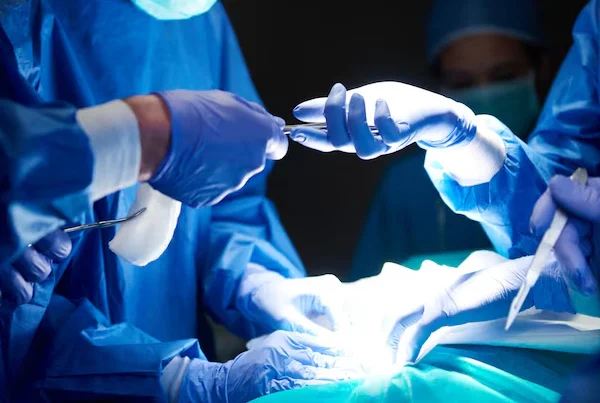
Shoulder arthroscopy uses a small camera and specialized surgical instruments inserted through tiny incisions, allowing precise treatment with minimal damage to surrounding tissues. Compared to traditional open surgery, this technique generally results in less pain, smaller scars, quicker recovery, and an earlier return to everyday activities.
Shoulder Arthroscopy in Dwarka is a minimally invasive orthopaedic procedure used to diagnose and treat a wide range of shoulder conditions. During the procedure, a thin instrument called an arthroscope, equipped with a high-definition camera, is inserted into the shoulder joint through a small incision.
The camera provides a clear view of the inside of the joint on a monitor, allowing the surgeon to identify damaged tissues. Tiny surgical instruments are inserted through additional small incisions to repair or remove damaged structures without the need for large cuts.
Shoulder arthroscopy is commonly performed for rotator cuff tears, labral tears, shoulder instability, impingement syndrome, frozen shoulder, tendon injuries, and removal of loose bone or cartilage fragments.
You may be a suitable candidate for Shoulder Arthroscopy in Dwarka if you experience:
A detailed physical examination along with imaging studies such as X-rays or MRI helps determine whether shoulder arthroscopy is the right treatment option.
Choosing Shoulder Arthroscopy in Dwarka offers several important advantages:
Small incisions reduce surgical trauma.
Patients generally experience less discomfort after surgery.
Recovery is often quicker than traditional open surgery.
Tiny incisions leave smaller, less noticeable scars.
The arthroscope provides a detailed view of the shoulder joint.
Many shoulder conditions can be diagnosed and treated during the same procedure.
Smaller incisions lower the risk of wound-related complications.
Patients often resume routine activities sooner with proper rehabilitation.
Dr. Sourabh Shah follows a systematic and patient-focused approach for successful treatment.
A comprehensive evaluation, including medical history, physical examination, and imaging studies, is performed to identify the exact cause of shoulder pain.
A customized surgical plan is prepared based on the patient's diagnosis, age, activity level, and overall health.
The procedure is usually performed under general anaesthesia, sometimes combined with a regional nerve block for better pain control.
Small incisions are made around the shoulder. The arthroscope is inserted to visualize the joint, and specialized instruments are used to repair torn tendons, remove damaged tissue, or stabilize the joint.
After completing the procedure, the small incisions are closed with sutures or adhesive strips and covered with sterile dressings.
A structured physiotherapy program begins after surgery to restore strength, flexibility, and shoulder function.
Recovery following Shoulder Arthroscopy in Dwarka depends on the type of repair performed and the patient's commitment to rehabilitation.
Recovery generally includes:
Minor arthroscopic procedures may recover within a few weeks, while rotator cuff repairs and shoulder stabilization surgeries may require several months of rehabilitation.
Selecting an experienced orthopaedic surgeon plays a key role in achieving successful outcomes.
Dr. Sourabh Shah offers:
At 82A, Pocket 2, Sector 6, Pocket 2, DDA Flats, Dwarka, New Delhi, patients receive high-quality orthopaedic care in a comfortable and professional environment.
Ignoring persistent shoulder pain can lead to worsening tendon damage, chronic stiffness, reduced strength, joint instability, and permanent loss of function. Early diagnosis and timely treatment help preserve the shoulder joint, improve surgical outcomes when needed, and support a faster return to normal activities.
Persistent shoulder pain should not limit your ability to enjoy daily life. Shoulder Arthroscopy in Dwarka provides a minimally invasive and highly effective treatment option for a wide range of shoulder injuries and disorders. With advanced surgical techniques and a personalized rehabilitation program, patients can achieve pain relief, improved mobility, and better shoulder function.
Dr. Sourabh Shah is committed to delivering expert orthopaedic care using modern arthroscopic techniques tailored to each patient's needs. If you are experiencing shoulder pain, stiffness, or instability, schedule a consultation to explore the most appropriate treatment options.
If you are looking for Shoulder Arthroscopy in Dwarka, book a consultation with Dr. Sourabh Shah at 82A, Pocket 2, Sector 6, Pocket 2, DDA Flats, Dwarka, New Delhi, for expert diagnosis, advanced minimally invasive shoulder surgery, and comprehensive rehabilitation.
Shoulder arthroscopy is commonly used to treat rotator cuff tears, labral tears, shoulder impingement, frozen shoulder, recurrent dislocations, and sports-related shoulder injuries.
No. It is a minimally invasive procedure performed through small incisions using an arthroscope and specialized surgical instruments.
Recovery depends on the condition treated. Minor procedures may recover within a few weeks, while tendon repairs can require several months of rehabilitation.
Yes. Physiotherapy is essential for restoring shoulder strength, flexibility, stability, and range of motion after surgery.
The recovery timeline varies depending on the procedure performed and your progress during rehabilitation. Dr. Sourabh Shah will guide you on when it is safe to resume work and sports activities.