


| Category | Pain Management |
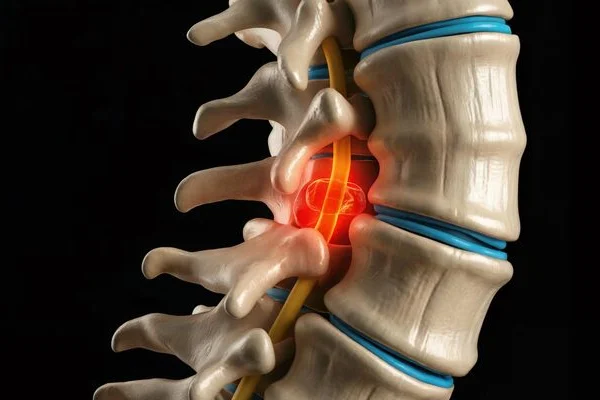
A Prolapsed Intervertebral Disc (PIVD), commonly called a slipped or herniated disc, is a condition in which the soft inner portion of a spinal disc pushes through a weakened or damaged outer layer. When the displaced disc material irritates or compresses a nearby spinal nerve, it can cause back pain, sciatica, numbness, tingling or weakness.
For patients seeking PIVD treatment in Sector 6 Dwarka, Dr. Sourabh Shah provides orthopaedic evaluation and personalised treatment based on the location and severity of the disc problem, associated symptoms and overall spinal health.
Most cases can initially be managed without surgery, although some patients with persistent symptoms, significant nerve compression or neurological problems may require further intervention.
The spine consists of individual vertebrae separated by intervertebral discs. These discs act as cushions between the bones and help the spine absorb everyday loads and movement.
Each disc has a strong outer layer surrounding a softer inner portion. A prolapsed or herniated disc occurs when part of the inner disc material pushes through a tear or weakness in the outer layer. If the displaced material presses against a nearby nerve, it can produce radiating pain and other neurological symptoms.
PIVD can occur in the lower back or neck, although lumbar disc problems are particularly common and may cause sciatica. (nhs.uk)
Disc prolapse may develop due to a combination of age-related changes, physical stress and injury. Common contributing factors include:
As discs lose some of their flexibility and water content with age, they may become more susceptible to tearing or prolapse. (mayoclinic.org)
Symptoms depend on the location of the affected disc and whether a spinal nerve is involved.
Common symptoms include:
Some people with a herniated disc may have no symptoms at all. Symptoms generally occur when the disc affects nearby nerves or other spinal structures. (orthoinfo.aaos.org)
You should consider an orthopaedic consultation if back or neck pain persists, repeatedly returns or begins interfering with normal activities. Radiating pain, numbness, tingling or weakness may indicate nerve involvement and should be appropriately evaluated.
Immediate medical attention is required if back pain is accompanied by numbness around the genitals or buttocks, difficulty passing urine, loss of bladder or bowel control, or significant weakness or loss of sensation in both legs. These symptoms can indicate serious nerve compression requiring urgent assessment. (nhs.uk)
Diagnosis begins with a detailed medical history and physical examination. Dr. Sourabh Shah may assess:
Imaging may be recommended when symptoms persist, neurological signs are present or the diagnosis requires further clarification. MRI is particularly useful for evaluating discs and nerve compression.
Not every person with back pain needs imaging immediately. The decision should be based on symptoms and clinical findings.
Treatment for PIVD depends on the severity of symptoms, neurological findings and response to initial management.
Appropriate pain-relieving or anti-inflammatory medicines may be recommended depending on the patient's health and medical history. Medication should be used according to professional advice.
A structured rehabilitation programme may help improve mobility, strength and function. Exercises are selected according to the patient's symptoms and underlying condition.
Maintaining appropriate activity is generally preferable to prolonged bed rest for uncomplicated cases. (nhs.uk)
Avoiding activities that significantly aggravate symptoms, while gradually returning to normal movement, may support recovery. Correct lifting techniques and ergonomic improvements can also be useful.
For selected patients with persistent nerve-related pain, targeted spinal injections may be considered. Procedures such as nerve root blocks can sometimes provide pain relief and may also help determine whether a particular nerve is responsible for symptoms.
Most herniated discs do not require surgery. However, surgery may be considered when symptoms remain severe despite appropriate non-surgical treatment or when significant neurological problems develop. (orthoinfo.aaos.org)
The exact surgical approach depends on the disc level, degree of nerve compression and individual clinical findings.
Recovery varies from person to person. Many patients improve with conservative treatment over time. The recovery period depends on the severity of the disc prolapse, nerve involvement, physical activity and response to treatment.
During recovery, patients should follow their prescribed rehabilitation programme and gradually increase activity as symptoms improve. Avoiding prolonged inactivity while respecting pain limitations can support a safe return to normal movement.
If symptoms worsen or new numbness or weakness develops, reassessment may be necessary.
Managing PIVD effectively requires identifying whether symptoms are coming from the disc itself, an irritated nerve or another spinal condition. Dr. Sourabh Shah focuses on clinical evaluation and personalised treatment planning according to the patient's symptoms and examination findings.
Patients looking for PIVD treatment in Sector 6 Dwarka can consult Dr. Sourabh Shah for evaluation of slipped disc, sciatica, radiating pain, numbness and other nerve-related symptoms.
Depending on the condition, treatment may involve medication, physiotherapy, activity modification, targeted pain procedures or surgical management when clinically appropriate.
PIVD stands for Prolapsed Intervertebral Disc. It occurs when the inner material of a spinal disc pushes through the outer layer and may irritate or compress a nearby nerve.
PIVD is commonly referred to as a slipped, herniated or prolapsed disc. These terms generally describe displacement of disc material beyond its normal boundaries.
Yes. A lumbar disc prolapse can irritate a nerve supplying the leg and cause sciatic pain that travels from the lower back or buttock into the leg. (orthoinfo.aaos.org)
No. Many patients improve with non-surgical treatment. Surgery may be considered when symptoms persist despite appropriate treatment or when significant neurological problems occur. (nhs.uk)
Physiotherapy and structured exercise may help improve movement, strength and function and can form part of conservative treatment for suitable patients.
New bladder or bowel problems, numbness around the genital or buttock region, or significant weakness affecting both legs can indicate serious nerve compression and require urgent medical attention. (nhs.uk)
Many symptomatic disc herniations improve with time and conservative treatment. The appropriate approach depends on the severity of symptoms and neurological findings.
Patients seeking PIVD treatment in Sector 6 Dwarka can consult Dr. Sourabh Shah for a detailed assessment and personalised treatment plan.
Consult Dr. Sourabh Shah in Sector 6 Dwarka for evaluation and management of Prolapsed Intervertebral Disc, sciatica and related spinal symptoms.