


| Category | Pain Management |
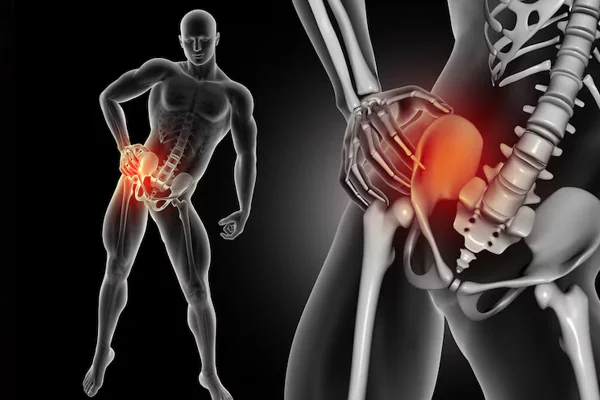
Hip pain can significantly affect walking, climbing stairs, sitting, standing and other everyday activities. One of the common causes of persistent hip pain is arthritis, particularly osteoarthritis, where the protective cartilage within the joint gradually wears down. As the condition progresses, patients may experience increasing pain, stiffness and reduced movement.
For patients seeking Arthritic Hip Joint Pain treatment in Sector 6 Dwarka, Dr. Sourabh Shah provides comprehensive orthopaedic evaluation and personalised treatment based on the severity of arthritis, symptoms and functional limitations.
The hip is a ball-and-socket joint formed by the head of the thigh bone and the socket of the pelvis. Healthy cartilage allows these surfaces to move smoothly with minimal friction.
With hip arthritis, the cartilage can gradually become damaged or worn. This can cause pain, stiffness and difficulty moving the hip. Osteoarthritis is the most common form of arthritis affecting the hip, although other types of arthritis can also affect the joint.
Hip arthritis may develop gradually, and symptoms can become more noticeable during activities that place greater demands on the joint.
Several factors can contribute to the development or progression of arthritic hip pain, including:
Not every person with hip arthritis experiences symptoms to the same degree. The severity of symptoms can also vary over time.
Common symptoms may include:
Hip arthritis pain is often felt around the groin, although discomfort can also occur in the thigh, buttock or knee.
Occasional discomfort after strenuous activity may not necessarily indicate arthritis. However, persistent hip pain, increasing stiffness or difficulty performing routine activities should be evaluated.
An orthopaedic consultation can help determine whether symptoms are related to arthritis or another condition affecting the hip.
You should particularly consider an evaluation if hip pain:
Diagnosis generally begins with a detailed discussion of symptoms and a physical examination. Dr. Sourabh Shah may assess:
X-rays may be recommended to assess joint-space narrowing, bone changes and other features associated with arthritis. Additional imaging may be considered when required to investigate other possible causes of hip pain.
Treatment depends on the severity of arthritis and its effect on the patient's mobility and quality of life. The aim is to reduce pain, maintain movement and help the patient remain as active as possible.
Maintaining a healthy level of physical activity and avoiding activities that significantly aggravate symptoms may help manage hip discomfort.
For patients who are overweight, weight management may also reduce the load placed on weight-bearing joints.
A personalised exercise programme may help maintain hip mobility and strengthen muscles around the hip. Low-impact activities can be particularly useful for maintaining physical function while reducing excessive joint stress.
Depending on the patient's medical history, appropriate pain-relieving or anti-inflammatory medicines may be considered. Medication should only be taken according to medical advice.
For selected patients, injections may be considered as part of pain management. The suitability and expected benefits depend on the underlying joint condition and individual circumstances.
When advanced hip arthritis causes persistent pain and substantial limitation despite appropriate non-surgical management, joint replacement may be considered.
Hip replacement involves replacing damaged portions of the joint with artificial components. The decision depends on symptoms, imaging findings, functional limitations, overall health and the patient's individual circumstances.
Getting persistent hip pain assessed can help identify the underlying cause and establish an appropriate treatment plan. Early management may help patients maintain mobility and avoid unnecessary worsening of symptoms.
Treatment does not always mean surgery. Many patients can initially be managed with non-surgical approaches depending on the severity of their condition.
Long-term management of hip arthritis focuses on maintaining mobility, controlling symptoms and preserving everyday function. Patients may benefit from appropriate exercises, activity modification and maintaining a healthy weight.
If surgery becomes necessary, rehabilitation following the procedure plays an important role in regaining strength and mobility. The exact recovery programme varies according to the procedure and individual health.
Effective treatment of arthritic hip pain begins with identifying the severity and underlying cause of the patient's symptoms. Dr. Sourabh Shah provides an individualised orthopaedic assessment and treatment plan based on clinical findings and appropriate investigations.
Patients looking for Arthritic Hip Joint Pain treatment in Sector 6 Dwarka can consult Dr. Sourabh Shah for persistent hip pain, stiffness, reduced mobility and arthritis-related symptoms.
Depending on the condition, treatment may include lifestyle changes, physiotherapy, medication, injections or surgical options when appropriate.
Hip arthritis can develop due to age-related joint changes, previous injuries, abnormal hip development, inflammatory arthritis and other factors that damage the joint.
Hip arthritis commonly causes pain around the groin, but discomfort may also be felt in the thigh, buttock or sometimes the knee.
Yes. Depending on the severity, treatment may include exercise, physiotherapy, lifestyle modification, weight management and appropriate medication. Surgery is generally considered when symptoms remain severe despite non-surgical treatment.
Yes. Stiffness and reduced range of movement are common symptoms of hip arthritis and may make activities such as putting on shoes or getting into a car more difficult.
Appropriate exercise can help maintain joint movement, improve muscle strength and support physical function. The type and intensity of exercise should be appropriate for the individual's condition.
Hip replacement may be considered when advanced arthritis causes significant pain and functional limitations that have not improved sufficiently with appropriate non-surgical treatment.
Excess body weight can increase the mechanical load placed on weight-bearing joints. Weight management may therefore form part of a comprehensive approach to managing hip arthritis.
Patients seeking Arthritic Hip Joint Pain treatment in Sector 6 Dwarka can consult Dr. Sourabh Shah for an orthopaedic evaluation and personalised treatment plan.
Consult Dr. Sourabh Shah in Sector 6 Dwarka for evaluation and management of persistent hip pain, arthritis and related joint problems.