


| Category | Pain Management |
Pain in the lower back or buttock area can sometimes originate from the sacroiliac (SI) joint, which connects the lower spine to the pelvis. Sacroiliac joint pain may develop due to injury, inflammation, altered movement patterns, arthritis or increased stress on the joint.
Because SI joint pain can resemble other conditions such as lumbar spine problems or hip disorders, identifying the actual source of pain is important before choosing treatment.
For patients seeking Sacroiliac Joint Pain treatment in Sector 6 Dwarka, Dr. Sourabh Shah provides orthopaedic evaluation and personalised management based on symptoms, examination findings and the suspected cause.
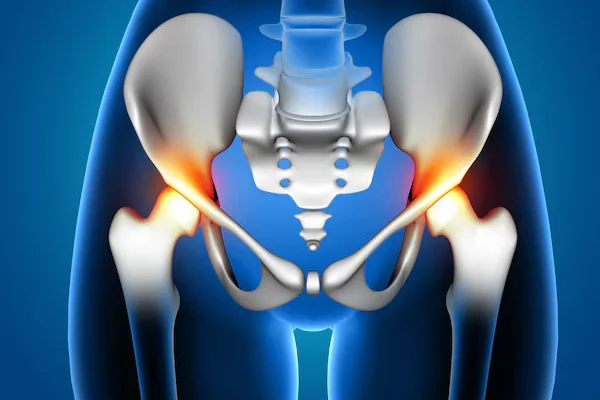
The sacroiliac joints are located on both sides of the lower spine, where the sacrum meets the pelvic bones. These joints help connect the spine and pelvis and contribute to stability while transferring forces between the upper body and legs.
Although the SI joints have relatively limited movement, irritation or dysfunction in this area can produce significant pain in some patients.
Several factors can contribute to SI joint discomfort, including:
The cause can vary from person to person, and symptoms may overlap with other sources of lower back pain.
Sacroiliac joint problems may cause pain around the lower back, buttock or pelvic region. Symptoms can include:
Some patients may experience increased symptoms during activities that place additional stress on the SI joint.
Diagnosing SI joint pain can be challenging because several spinal and hip conditions can produce similar symptoms.
Dr. Sourabh Shah may assess:
Physical examination and specific provocation tests may help determine whether the SI joint is contributing to symptoms. Imaging may be recommended when necessary to evaluate the joint or rule out other conditions.
In selected cases, a diagnostic SI joint injection may also provide information about whether the joint is a significant source of pain.
Treatment depends on the underlying cause, severity and duration of symptoms.
Temporarily modifying activities that aggravate the pain may help reduce stress on the affected area. Prolonged inactivity, however, is generally not recommended unless specifically advised by a doctor.
A structured physiotherapy programme may focus on improving flexibility, strengthening the muscles supporting the pelvis and improving movement patterns.
Appropriate pain-relieving or anti-inflammatory medicines may be considered depending on the patient's medical history and individual requirements.
For selected patients with persistent SI joint pain, a targeted injection may be considered. Medication can be delivered near the affected joint under appropriate guidance.
An injection may have a therapeutic role in selected cases and can sometimes help determine whether the SI joint is contributing to the patient's symptoms.
If SI joint pain is associated with arthritis, injury, altered biomechanics or another underlying condition, treatment may also focus on addressing that contributing problem.
You should consider an orthopaedic evaluation when lower back or buttock pain persists, repeatedly returns or interferes with daily activities.
Medical assessment is particularly useful when:
Severe or rapidly developing neurological symptoms require prompt medical evaluation because they may indicate a spinal nerve problem rather than isolated SI joint pain.
Recovery depends on the cause and severity of SI joint pain. Many patients can be managed through a combination of activity modification, rehabilitation and appropriate pain management.
Following a personalised exercise programme, maintaining physical activity within comfortable limits and addressing contributing factors can help support long-term function.
Patients should follow their doctor's advice regarding exercise, medication and return to normal activities.
Sacroiliac joint pain can be difficult to distinguish from other causes of lower back, hip and buttock pain. A careful clinical assessment is therefore important before deciding on treatment.
Dr. Sourabh Shah evaluates symptoms and clinical findings to develop an appropriate treatment plan for each patient. Depending on the diagnosis, management may include physiotherapy, medication, activity modification, targeted injections or other orthopaedic treatments.
Patients looking for Sacroiliac Joint Pain treatment in Sector 6 Dwarka can consult Dr. Sourabh Shah for a detailed evaluation and personalised care plan.
Sacroiliac joint pain is discomfort originating from one or both joints connecting the lower spine to the pelvis. It commonly affects the lower back, buttock or pelvic region.
Pain is commonly felt in the lower back or buttock on one side, although symptoms can sometimes occur on both sides or extend toward the thigh.
It can sometimes produce pain that extends into the leg and may resemble sciatica. A clinical examination is important to distinguish SI joint pain from lumbar nerve-related conditions.
Yes. Appropriate physiotherapy may help improve pelvic stability, flexibility, muscle strength and movement patterns in suitable patients.
An SI joint injection involves placing medication near or into the sacroiliac joint. It may be considered for selected patients with persistent symptoms and can sometimes provide diagnostic information.
Not necessarily. The duration of symptoms varies depending on the underlying cause, severity and response to treatment. Many patients can be managed with appropriate non-surgical care.
Arthritis and inflammation can affect the sacroiliac joint and contribute to pain and stiffness. The underlying cause should be identified before treatment is selected.
Patients seeking Sacroiliac Joint Pain treatment in Sector 6 Dwarka can consult Dr. Sourabh Shah for assessment and personalised orthopaedic treatment.
Consult Dr. Sourabh Shah in Sector 6 Dwarka for persistent lower back, buttock or pelvic pain that may be related to the sacroiliac joint.